
Accessories

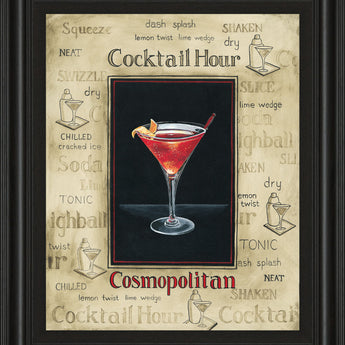
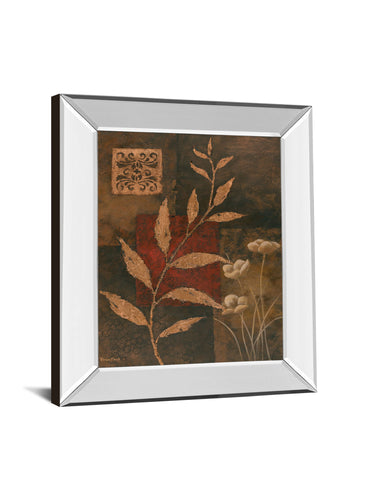
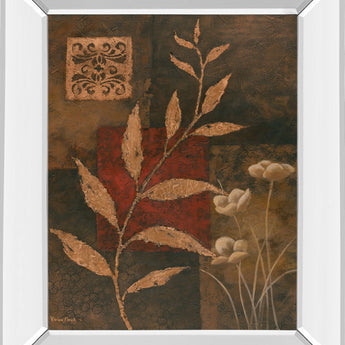

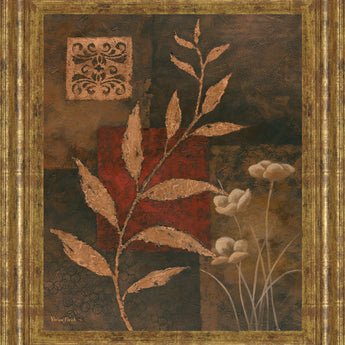



The finishing touches that turn a house into a home.
You've chosen the sofa. The dining table is set. The bedroom is done. And still, something's missing. That's not a furniture problem — that's an accents problem.
The lamps, the mirrors, the throw pillows, the piece of wall art you keep stopping in front of — these are the details that translate "furnished" into "this is unmistakably our home." And they're often the easiest upgrades you can make. A new lamp takes five minutes to swap. The right throw pillow can change the temperature of an entire room. A well-placed mirror can make a small entryway feel like it belongs in a much bigger house.
Our home accents collection covers everything from architectural lighting and oversized mirrors to hand-thrown planters, textured throw blankets, gallery-ready wall art, and decorative objects that reward a closer look. No filler. No fast-decor pieces that look dated by next season. Just accents worth keeping — curated by people who live in North Texas and know what reads well in real rooms, under real light, in real life.
How to choose home accents you'll still love in five years
Accessories are the place where most rooms get cluttered and most decorating budgets quietly disappear. Here's how to spend deliberately — and end up with a room that feels finished, not decorated.
Lighting: the most underrated upgrade in any room. Most rooms are either over-lit or under-lit, and most people don't notice until they've lived with the wrong light for two years. Start with the function — is this task lighting, ambient light, or accent? — then match the scale. A table lamp for a reading chair should be tall enough that the shade bottom sits at shoulder height when you're seated. Floor lamps work where you need vertical light without a surface. Pendants anchor a dining table or kitchen island. Get the function right first; then pick the finish. Mixing metals is allowed — mixing warm and cool light in the same room is not.
Mirrors: the fastest way to make any space feel larger. A mirror works when it reflects something worth seeing — natural light, a good view, a complementary wall color. The rule on sizing: go bigger than you think. A mirror above a console or dresser should be at least two-thirds the width of the furniture beneath it. Leaned large mirrors add presence without commitment. A cluster of smaller mirrors works above a gallery arrangement but rarely reads well in isolation.
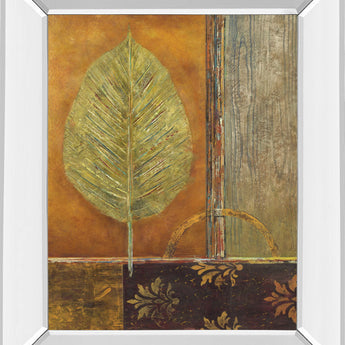
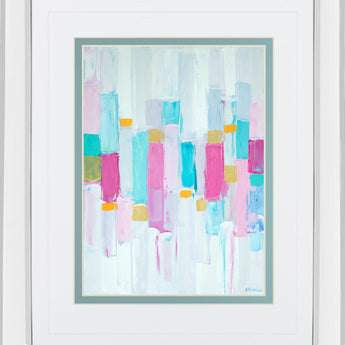
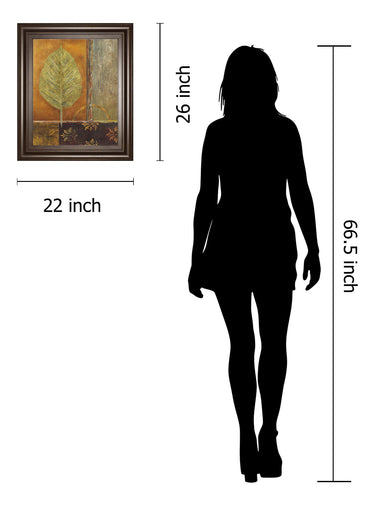
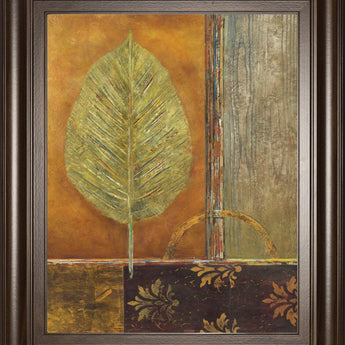
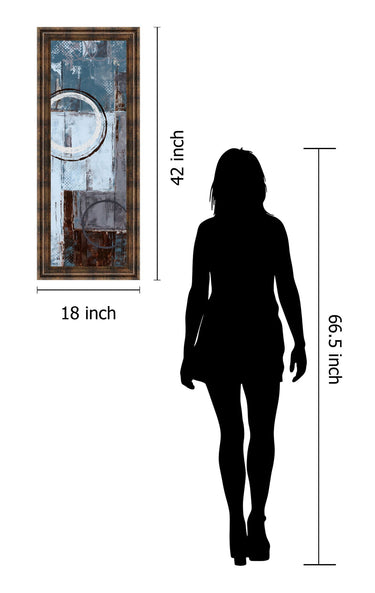
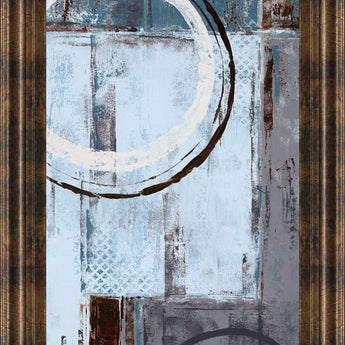
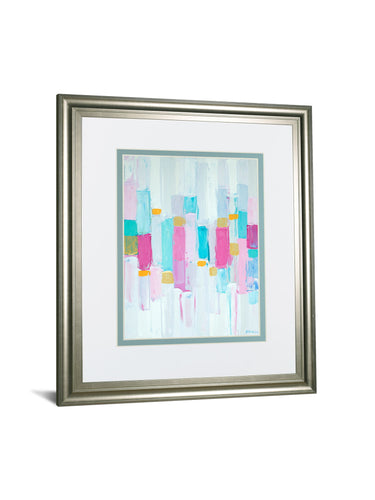
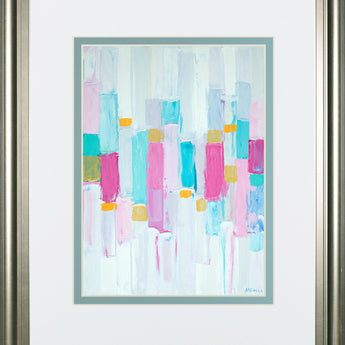
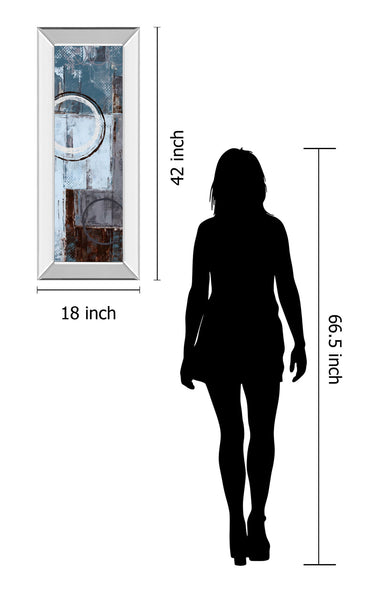
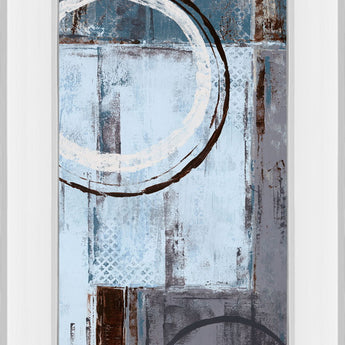
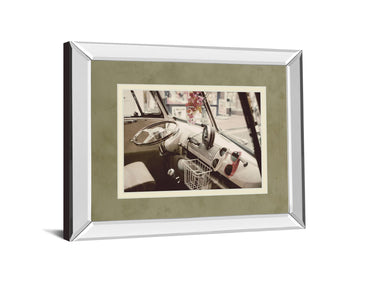
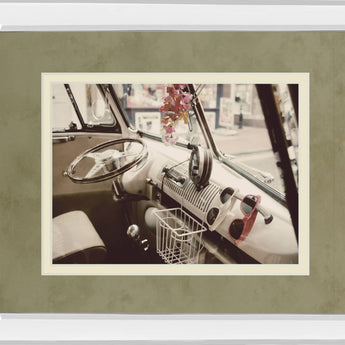
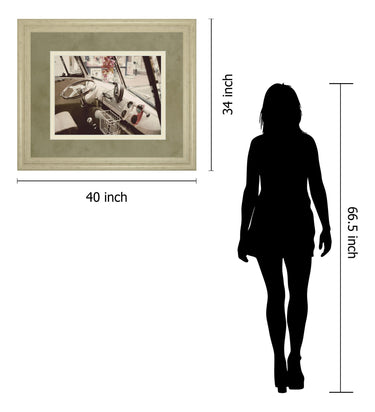
Wall art: scaling and placement done right. The most common mistake is hanging art too high. The center of a piece or a gallery arrangement should sit at eye level — roughly 57 to 60 inches from the floor — not eye level when you're standing on a ladder. For a gallery wall, lay the arrangement on the floor first, photograph it, then transfer it to the wall. A single large-format piece reads stronger in most rooms than four small pieces arranged in a grid.
Throw pillows and blankets: texture is the point. The goal isn't matching — it's layering. Combine textures: a chunky knit blanket, a linen pillow, a velvet lumbar. On a sofa, two to three pillows per side works for most homes; more starts to look like a display. Blankets earn their place when they're draped naturally, not folded like a hotel towel. Buy one you'd actually use.
Decorative objects: less is more, and curated is everything. The furniture principle applies here too: one strong object beats three mediocre ones. Group objects in odd numbers — three, five — and vary height and material: something tall and narrow next to something short and round next to something flat. Leave breathing room. Planters, vases, candles, and sculptural objects all work in this logic. Edit ruthlessly. If something isn't earning its place on the shelf, it belongs somewhere else.
Frequently asked questions about home accents and accessories
How tall should a lamp be relative to the furniture it's placed on?
For a table lamp sitting on an end table beside a sofa or chair, the bottom of the shade should be approximately at shoulder height when you're seated — typically 58 to 64 inches from the floor, combined height of table plus lamp. For a desk or bedside lamp, the bottom of the shade should sit at chin height when you're seated. If the bulb is visible from a seated position, the lamp is too short or the shade too narrow.
What size mirror should go above a dresser, console, or sideboard?
The mirror should be roughly two-thirds the width of the furniture below it — so a 60-inch console pairs well with a 36- to 40-inch mirror. In practice, most people buy mirrors that are too small; going up a size almost always reads better. Height: the bottom of the mirror should sit four to eight inches above the furniture surface, and the top shouldn't crowd the ceiling. If you're working with a low ceiling, a horizontal mirror often reads better than a tall vertical one.
Can you mix metal finishes in a room — brass, black, chrome, nickel?
Yes, but intentionally. Pick one dominant metal — the one on your largest fixtures or hardware — and one secondary metal, and keep anything else minimal. Warm metals (brass, gold, bronze, copper) mix well with each other. Cool metals (chrome, nickel, silver) mix well with each other. Mixing warm and cool requires a deliberate reason; it can work, but it's harder to pull off than staying in one family.
How many throw pillows are too many on a sofa?
For a standard three-seat sofa, two to three pillows per side is the functional range — enough to look curated without requiring you to stack them on the floor before sitting down. On a sectional, treat each seating zone separately and use the same two-to-three rule per zone. Lumbar pillows count differently — one lumbar in the center of a sofa or on a chair is an accent, not a statement. If you can't sit on the sofa without removing more than two pillows, you have too many.
What are the rules for hanging a gallery wall?
Lay the arrangement on the floor before committing to the wall — move pieces around until it looks right, photograph it, then use that as your guide. Treat the gallery as one unit and hang its visual center at 57 to 60 inches from the floor. Keep spacing between frames consistent — two to three inches between pieces reads intentional; more than four inches starts to feel scattered. Use a mix of frame sizes rather than all the same; a cluster of identical frames reads like a grid, not a gallery.
Does delivery work differently for smaller accent pieces?
For most home accent pieces — lamps, mirrors under 48 inches, wall art, throw pillows, small planters — threshold or front-door delivery applies, meaning pieces arrive in protective packaging and our team brings them to your door. Larger items like oversized mirrors and statement floor lamps may qualify for room-of-choice delivery and setup. If you have a question about a specific item, call or text us before ordering — we'd rather be clear upfront than have you unhappy on delivery day.
How do I know if a decorative object is the right scale for a shelf or tabletop?
The quick test: hold your hand about 12 inches from your face. If the object disappears behind your palm, it's too small to read from across the room. On a shelf, aim for at least one object that's tall enough to break the line of the shelf above it. Group in odd numbers — three or five — and vary the height and silhouette within the group. A tall vase next to a medium candle holder next to a short stacked-book tower is a classic arrangement for a reason: the variation keeps the eye moving.
Do your home accents work with any furniture style, or are they curated for a specific look?
Our accents skew toward what we'd call livable elevated — clean lines, natural materials, muted but warm color palettes. That reads well with transitional furniture, contemporary pieces, and most traditional styles. If you're working with a very specific aesthetic — pure Scandinavian, maximalist, cottagecore — come into the showroom and tell us. We can usually point you to what works and be honest about what doesn't. The goal is a room you love, not a room that photographs well once and then drives you crazy.
Explore by category
The accessories collection covers a lot of ground. Browse by category to find exactly what you're looking for: Lighting, Mirrors, Wall Art, Rugs, Throw Pillows, Throw Blankets, Planters & Vases, and Clocks. Looking for a piece you don't see here, or want to see how something looks against your furniture before you commit? Visit us in Mesquite — we can usually find what you're after.
What Living Room Furniture Do You Actually Need? A Practical Buying Guide -- accessories and finishing pieces are the last step -- get the core furniture right first.
Quality Home Furniture has served the Dallas-Fort Worth area from our Mesquite showroom since 1975. We're a family-owned business at 227 US HWY 80 E, Mesquite TX -- open Monday through Saturday 10am to 7pm and Sunday 1pm to 6pm. Call (972) 288-9322.