
Home Office
-
![Loft - Desk - Two Tone Gray / Brown]()
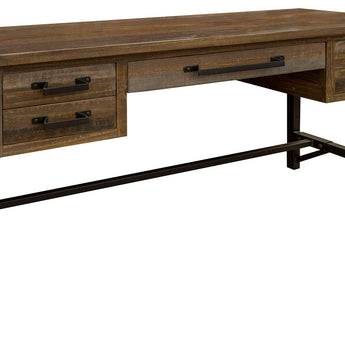
Quick View -
![Loft - File Cabinet - Two Tone Gray / Brown]()
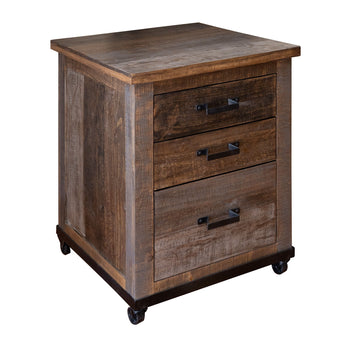
Quick View -
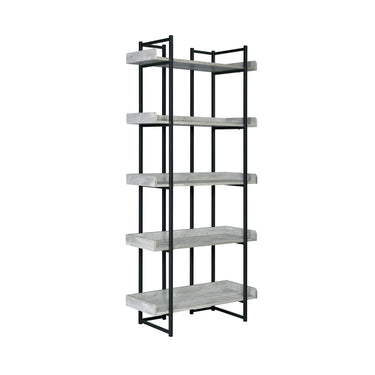
![Preston five-shelf bookshelf in gray woodgrain with black open metal frame, angled view]()

Quick View Preston - 2 Piece Desk And Bookshelf Set - Gray Liquidation Sale — call or text for pricing -
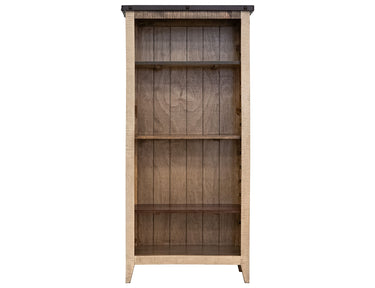
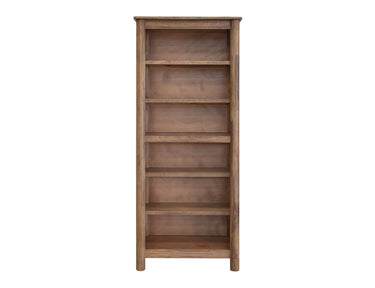
![Antique - Bookcase - Multicolor]()
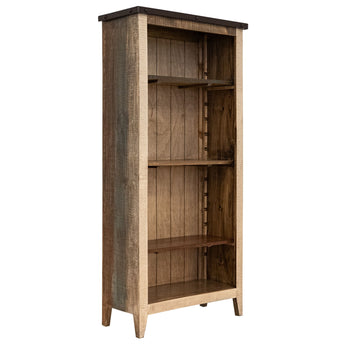
Quick View -
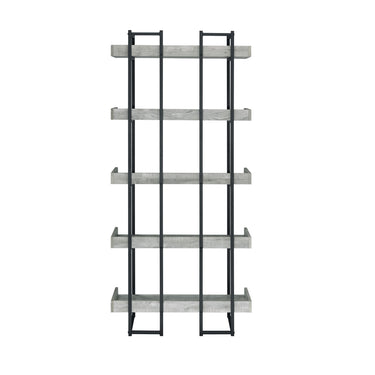
![Preston gray five-shelf bookshelf seen straight on from the back, showing black metal frame uprights]()
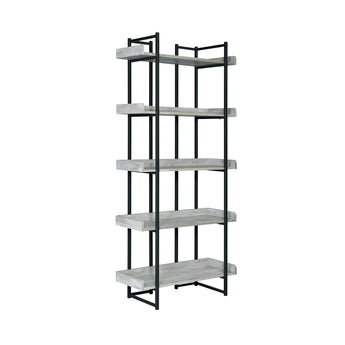
Quick View -
![Parota - Desk - Cinnamon Brown]()
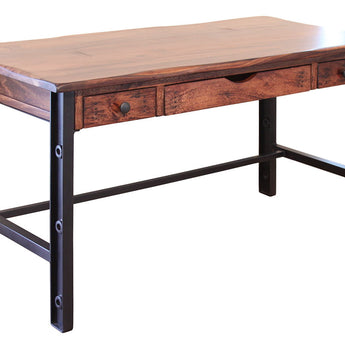
Quick View -
![Parota Bookcase Cinnamon Brown - alternate view]()
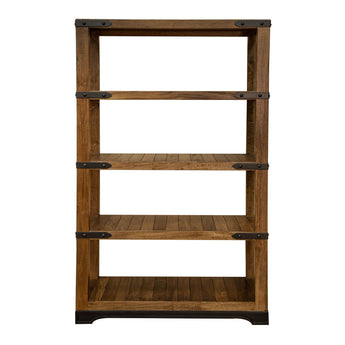
Quick View -
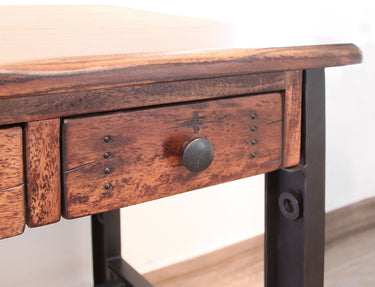
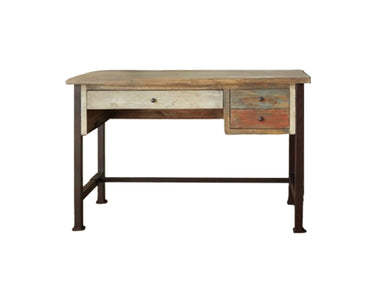
![Antique Desk - alternate view]()
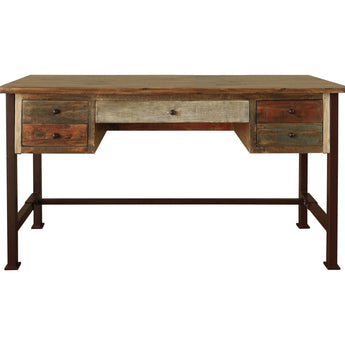
Quick View -
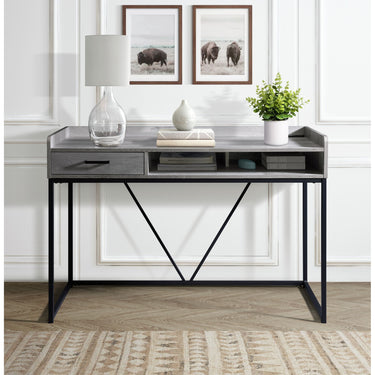
![Gray Preston desk in a room setting with table lamp, plant, books and framed bison prints above]()

Quick View -
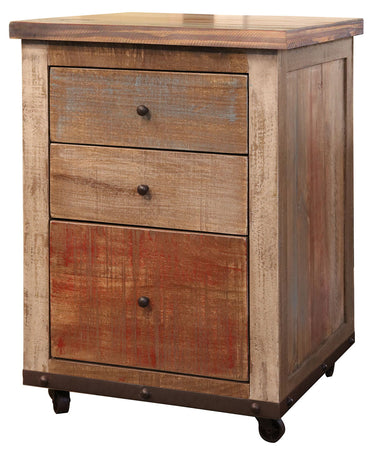
![Antique File Multicolor - alternate view]()
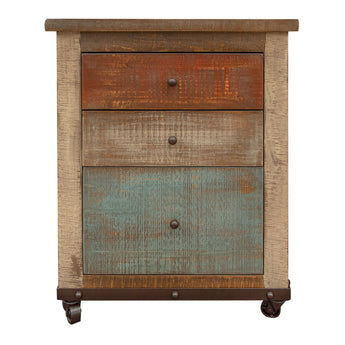
Quick View -
![Olimpia - Bookcase - Towny Brown]()
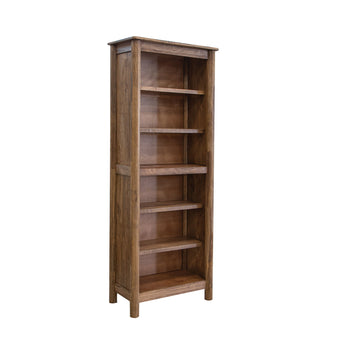
Quick View -
![Natural Parota - Desk - Brown Cappuccino]()
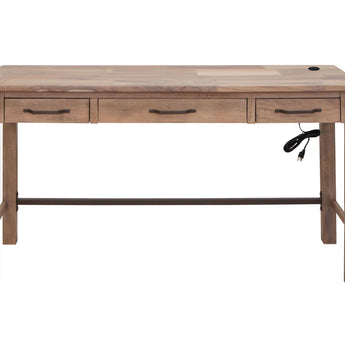
Quick View
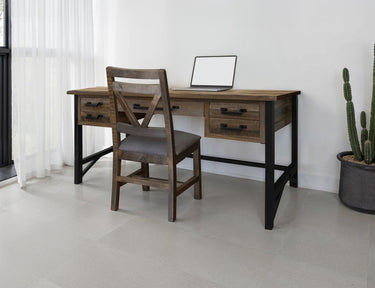
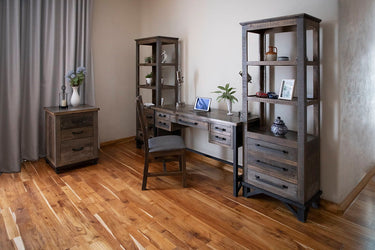



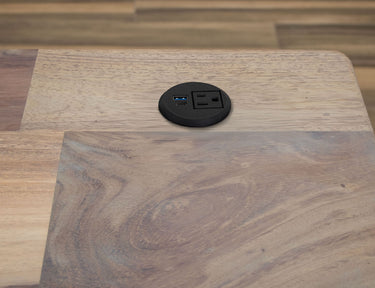
A home office that works starts with a desk that fits the space, a chair you can sit in for hours without back pain, and enough storage to keep the work area clear. Our home office collection covers desks from compact writing desks to full L-shape setups, ergonomic chairs, and storage solutions. Read our guide to setting up a home office for layout rules and what to prioritize when you are working with limited space.
Your home office should feel like your house, not your old cubicle.
Working from home used to mean a folding table and the promise that it was "temporary." That was five years ago. If you're still working on whatever you grabbed in a hurry, you've earned better.
A real home office doesn't have to look like it was transplanted from a strip-mall commercial suite. It should feel like the rest of your house — warm, considered, yours. A desk that fits the room rather than just fits a laptop. A chair that earns eight hours of daily use without destroying your lower back or your floors. Storage that keeps a real working day's worth of files, samples, and gear out of sight without reading as pure function.
We carry home office furniture that bridges the gap — pieces that do the job without announcing "I work here" to everyone who walks past the door. Desks, chairs, bookcases, credenzas, hutches, and complete office sets, in finishes that match the house you've already built. In Mesquite, from people who'd rather talk through your room than hand you a brochure.
How to choose home office furniture that earns its keep
You're not furnishing a breakroom. You're building a space where you'll spend eight or more hours a day, close real deals, and do your best thinking. The choices are different. Here's how to make them well.
Start with the desk — size and configuration matter more than finish. Measure the wall or corner it's going into before you fall for a piece. A desk that's too shallow (under 24 inches deep) makes a laptop uncomfortable and dual monitors impossible. Most real working setups want 28–30 inches of depth and at least 55–60 inches of width to give you room for a monitor, a keyboard, and a surface you can actually use. L-shaped configurations earn their footprint in rooms where you want a dedicated secondary surface — a printer station, a second monitor, or a writing area that's clear of the main workstation. Straight desks work well in smaller rooms or when other storage handles the overflow.
Standing desks: genuinely useful or trendy? Genuinely useful — for the right person. If you're at a desk more than six hours a day and have any history of back discomfort, the ability to alternate between sitting and standing changes the day. Fixed-height standing desks are cheaper but commit you to one position. Height-adjustable (sit/stand) desks give you full range. Come in and try both; the lift mechanism matters as much as the surface.
Office chair ergonomics: buy once, don't regret it. Your chair is where the real money should go in a home office build. A poorly supported sitting position compounds over months — posture, neck, lower back, even fatigue. Look for lumbar support that's adjustable, armrests that lower out of the way when you don't want them, seat depth that accommodates your leg length, and casters appropriate for your floor type (carpet casters are wider; hard-floor casters are harder). Plan to spend meaningfully here. A $200 chair feels fine on day one and costs you in chiropractor visits by year two.
Storage and bookcases: design the system before you buy the pieces. Most home offices undersell themselves on storage. Think about what you're actually keeping: files, supplies, reference books, equipment, samples? A bookcase behind the desk reads well on video calls and handles books and boxes without looking cluttered. A credenza under a monitor bank gives you surface-level storage that doubles as a media console. A cabinet with doors keeps anything that doesn't photograph well out of sight. Map the categories before you buy the pieces and you'll end up with a cohesive system rather than a pile of mismatched shelving.
Pull the room together with a cohesive finish story. The furniture you choose doesn't have to match exactly — but it should agree. Pick one or two wood tones and one metal finish (matte black, antique brass, brushed nickel) and hold to them across the desk, chair frame, shelving, and hardware. The result looks intentional without looking like a catalog showroom. We'll help you see the room as a system, not a shopping list.
Frequently asked questions about home office furniture
What size desk do I actually need for a home office?
For a single-monitor setup with a keyboard and a little working surface, 48–55 inches wide and 24 inches deep is workable but tight. For dual monitors, a standing build, or if you want room to spread out documents alongside your screen, plan for 60–72 inches wide and 28–30 inches deep. Measure the wall or alcove first — a desk that fits your workflow in a showroom can feel completely different when it's in a 10 × 10 bedroom-turned-office.
What's the difference between an L-shaped desk and a straight desk?
A straight desk is a single surface — cleaner, more flexible, easier to move, and better for smaller rooms or offices where other furniture handles overflow storage. An L-shaped desk gives you two working surfaces in a corner configuration — one for your main workstation, one for a secondary monitor, printer, or clear writing surface. L-shaped desks typically need at least a 10 × 10 room to breathe properly; straight desks can work in tighter spaces and along shorter walls.
Are standing desks worth it?
For anyone spending six or more hours a day at a desk, yes — particularly if you have any history of back, neck, or hip discomfort from prolonged sitting. The research on alternating between sitting and standing is solid enough that we'd recommend at least considering a height-adjustable desk if you work from home full-time. Fixed-height standing desks cost less but commit you to one working position; height-adjustable (sit/stand) desks give you flexibility throughout the day. Come in and try the lift mechanism — the quality range is wide.
What should I look for in an ergonomic office chair?
Adjustable lumbar support (not just a fixed curve in the back), armrests that adjust in height and can swing out of the way, a seat depth that allows you to sit fully back with a few inches of clearance between the seat edge and your knees, and casters appropriate for your floor type. Mesh backs breathe better for all-day use; upholstered chairs are warmer and often more comfortable for shorter work sessions. The most important thing: sit in the chair for ten minutes in the showroom, not just thirty seconds.
How do I choose between open shelving, bookcases, and cabinets for a home office?
Bookshelves and open bookcases display reference material and personal items well — they read as thoughtful on video calls and keep frequently accessed items within reach. Cabinets with doors are for anything you don't want visible: files, supplies, equipment, clutter. A credenza (a low cabinet that sits below a window or monitor bank) is the Swiss Army knife of home office storage — it gives you closed storage at desk height and a surface that can double as a printer stand or secondary workspace. Most offices benefit from a mix.
Do you carry complete home office sets?
Yes. We carry full office sets — desk, hutch, and matching bookcase or credenza — in coordinated finishes, so the room comes together without puzzle-piecing individual pieces. Sets are a good starting point if you want a cohesive look without spending hours mixing and matching. We also carry everything separately, so you can build a custom configuration or add to an existing room.
How fast can you deliver home office furniture?
In-stock pieces from our Mesquite showroom typically deliver within 3–7 days. Larger sets or custom-order pieces run 2–4 weeks for most vendors. We run delivery through our own vetted professional crew, not a third-party freight handoff — the same people who load it are the ones who set it up in your room. Assembly is available; ask when you order.
Do you offer financing on home office furniture?
Yes — 0% financing on qualifying purchases, with terms flexible enough to fit a real home office build without putting everything on a credit card. We'll walk through the options in-store or over the phone. No pressure, and you can get pre-approved in about five minutes before you ever come in. Here's how financing works.
Shop home office furniture by category
Whether you're starting with a desk and building from there, upgrading your seat with an office chair that earns a full workday, adding depth with a bookcase or filing cabinet, pulling the look together with a credenza or hutch, or starting fresh with a complete office set — we can help you build a home office that works the way your house actually does. Ready to visit? Find us in Mesquite. Questions about financing? Here's how it works.
Read our home office furniture setup guide for detailed advice on size, style, and what to look for before you buy.
How to Set Up a Room That Works as Both a Home Office and a Guest Room -- making one room work as both a dedicated workspace and occasional guest accommodation.
Quality Home Furniture has served the Dallas-Fort Worth area from our Mesquite showroom since 1975. We're a family-owned business at 227 US HWY 80 E, Mesquite TX -- open Monday through Saturday 10am to 7pm and Sunday 1pm to 6pm. Call (972) 288-9322.
Read our guide to choosing a bookcase -- height options, shelf depth, adjustable vs. fixed shelves, shelf span under heavy loads, and wall anchoring.