
Rugs
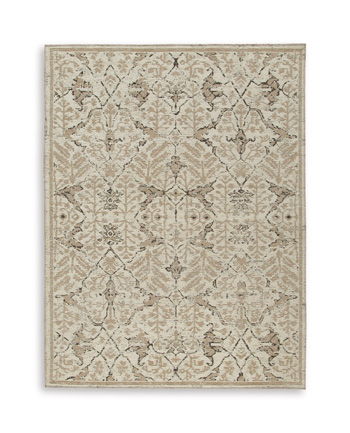

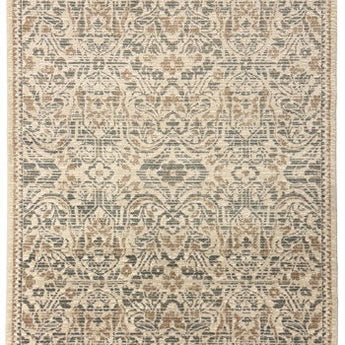
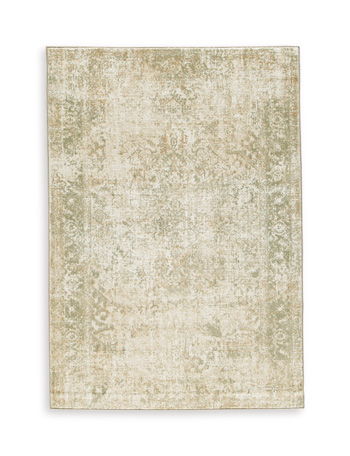

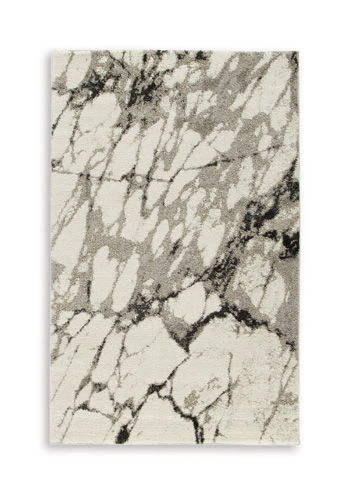

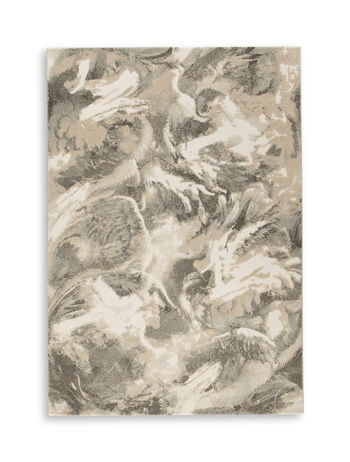

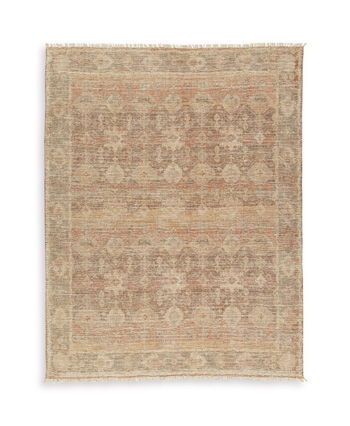


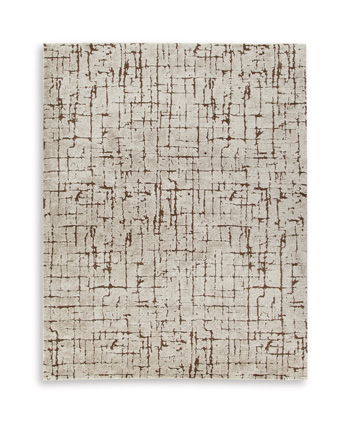

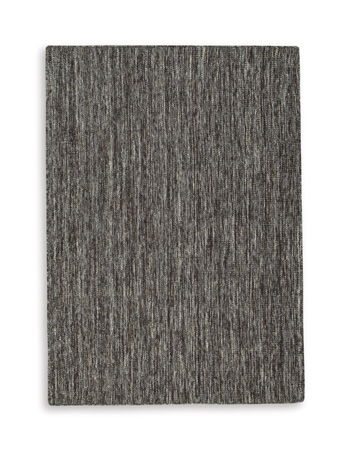

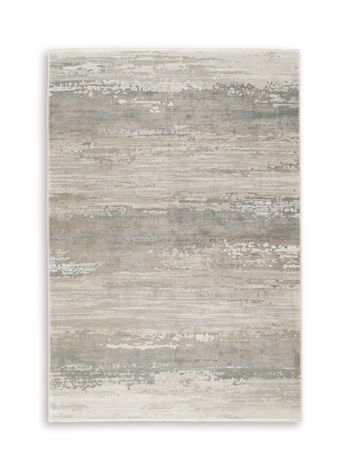

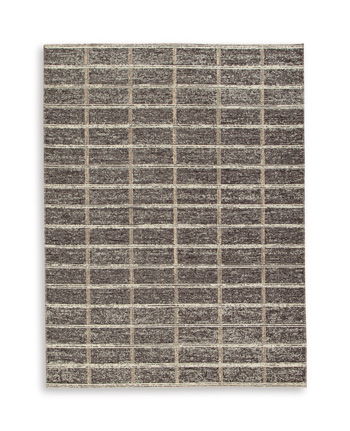

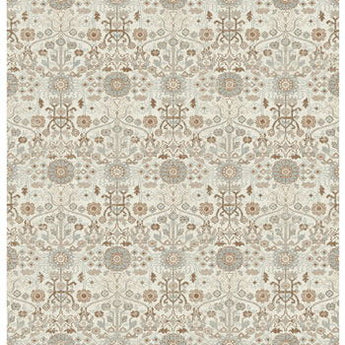
The most common rug mistake is buying one that is too small. In a living room, the rug should be large enough for the front legs of all the major furniture pieces to rest on it -- this ties the seating arrangement together visually. A 5x8 works in a small room; an 8x10 is the standard for a medium living room; a 9x12 or larger for an open-plan space. In a dining room, the rug should extend at least 24 inches beyond the table on all sides so chairs stay on the rug when pulled out. We carry area rugs in multiple sizes and styles to work with a range of room configurations.
The right rug doesn't just cover the floor — it holds the room together.
Most people shop for a rug last — after the sofa, the paint, the curtains, the lighting. Then they realize the rug is what determines whether all those decisions look like a room or just a collection of furniture.
A rug anchors a seating arrangement, defines a dining zone, and gives a bedroom its landing-strip warmth at 6 a.m. on a Texas winter morning. On hard floors — and most North Texas homes run tile or hardwood through most of the living space — a rug does thermal work, acoustic work, and design work simultaneously.
We carry area rugs that earn all three: natural-fiber styles (wool, jute) that age beautifully in low-traffic rooms, performance synthetics (polypropylene, polyester) that handle pets, kids, and high-traffic zones without complaint, and indoor-outdoor constructions flat-woven tight enough for a covered patio or mudroom.
Pet-friendly, kid-proof, and easy-to-clean options are clearly called out — because in a real Texas house, a rug that can't handle a muddy retriever or a juice box is a rug on borrowed time.
How to choose an area rug you won't regret in six months
Rugs are one of the few furniture purchases where the biggest mistake has nothing to do with style — it's size. Let's fix that before anything else.
The #1 mistake: going too small. A rug that doesn't reach under the front legs of the sofa reads as a decorative island floating in the middle of the room — it actually makes the space feel smaller. The general rule: all major seating pieces should have at least their front two legs on the rug, and ideally all four. For a living room, a 9×12 is usually the minimum that works; an 8×10 is often better than nothing but will always look slightly small. When in doubt, size up.
Material types — matching fiber to lifestyle. Wool is the premium choice: naturally stain-resistant, durable over decades, soft underfoot, and forgiving as it ages. Best in lower-traffic rooms or for buyers who want a long-term investment piece. Polypropylene is the workhorse: fade-resistant, moisture-tolerant, easy to clean, and significantly more affordable — ideal for households with pets, young kids, or high foot traffic. Jute and sisal bring warmth and texture but are not forgiving of liquid spills — save them for dry areas without pets or young children. Cotton flatweaves are washable, light, and easy to move — excellent for kitchens, laundry rooms, or kids' bedrooms.
Placement by room. Under a dining table, the rug should extend at least 24 inches beyond the table edge on all four sides so chairs can pull out without the back legs dropping off. Under a king bed, a 9×12 centered under the frame (pulled 18 inches from the headboard) works for most layouts. In an open-plan living room, use the rug to draw the conversation area — don't let the TV placement choose the rug size for you.
Rug pads — not optional. A rug pad extends the rug's life by preventing the backing from grinding against hard floors. It also prevents slipping — which matters on tile, especially with kids and dogs. Every area rug on hard flooring should have a pad underneath it. We carry rug pads sized to fit most standard dimensions.
Indoor-outdoor options. Modern indoor-outdoor rugs are flat-woven polypropylene — UV-stabilized and tolerant of the occasional hose-down. They work on covered patios, screened porches, mudrooms, and anywhere you want a rug but can't guarantee dry conditions. The patterns and colorways are indistinguishable from indoor styles.
Frequently asked questions about area rugs
What size rug do I need for my living room?
The standard living room works best with an 8×10 at minimum, and a 9×12 in most cases. All major seating pieces should have their front two legs on the rug — ideally all four. Measure your seating arrangement first, then add 12–24 inches of rug beyond the outermost legs. Bring those dimensions to the showroom and we'll pull the right options.
What size rug goes under a dining table?
Add 24 inches to each side of your table dimensions. A 60-inch round table needs a minimum 9-foot round rug or an 8×10 rectangle. A 72-inch rectangular table typically needs a 9×12. The rug needs to be large enough that chairs stay on it fully when pulled out — if a chair leg drops off the edge, the rug is too small.
What's the best rug material for homes with pets or kids?
Polypropylene is the clear choice. It's stain-resistant, moisture-tolerant, holds up to pet nails, and can usually be spot-cleaned with mild soap and water. Avoid wool in high-traffic pet zones. Avoid jute and sisal entirely if you have pets who have accidents — natural fibers absorb moisture and don't recover well.
Do I need a rug pad under an area rug?
Yes — on hard floors, always. A rug pad prevents slipping, protects the floor from backing abrasion, keeps the rug lying flat instead of curling at the corners, and extends the rug's life significantly. We carry rug pads sized to fit most standard area rug dimensions.
How do I clean an area rug?
For most synthetic rugs (polypropylene, polyester): regular vacuuming and spot-cleaning with mild soap and cold water handles most spills. For wool: vacuum regularly, avoid excessive moisture, and professionally clean annually or when needed. For jute and sisal: dry vacuuming only — moisture causes shrinkage and mold. For small cotton flatweaves: machine wash on cold, lay flat to dry. When in doubt, check the care tag before any wet cleaning.
Can I use an area rug on a covered patio or outdoor space?
Yes — look specifically for rugs labeled "indoor-outdoor." These are built from UV-stabilized polypropylene with a tight flat weave that doesn't trap moisture or fade in sunlight. They work on covered patios, screened porches, mudrooms, and anywhere you can't guarantee dry conditions. Many of the patterns are identical to what's in the indoor lineup.
What size rug goes in a bedroom?
Under a king bed: a 9×12 or 10×14, centered under the frame pulled 18 inches from the headboard, so at least 24–30 inches of rug extends on each side and at the foot. Under a queen: an 8×10 typically works. For bedside warmth without a full rug: two 2.5×8 runners on either side of the bed. The goal is warm floor underfoot when you step out of bed — not a rug that only lives under the frame.
How does rug delivery work?
In-stock area rugs ship from our Mesquite showroom through our vetted delivery crew — typically within 3–7 days for in-DFW deliveries. Rugs are rolled and protected for delivery. We set them in the room, unroll, and confirm placement before we leave. If a rug doesn't work in the space, we want to know while we're still there.
Complete the room from floor to ceiling
A rug is where the room starts, but it's rarely where it ends. Whether you're laying the foundation for a new living room, pulling together a bedroom that finally feels right, or finishing a dining room where the table, chairs, and rug actually work together — we can help you think through the full picture. Don't forget the pad: browse rug pads sized to fit most standard area rug dimensions. And if you want to see how a rug will actually look before committing, come by the showroom — bring a photo, your measurements, and any questions. Find us in Mesquite.
How to Choose an Area Rug: Size, Material, and Pile Height Explained -- the front-legs rule, chair pull-out formula for dining rooms, and what wool vs polypropylene actually means.
Quality Home Furniture has served the Dallas-Fort Worth area from our Mesquite showroom since 1975. We're a family-owned business at 227 US HWY 80 E, Mesquite TX -- open Monday through Saturday 10am to 7pm and Sunday 1pm to 6pm. Call (972) 288-9322.
Planning your dining room layout? Read our guide to arranging a dining room -- table placement clearance, rug sizing rules, buffet placement, and chandelier height.